Inspiring Sustainable Gardening Practices
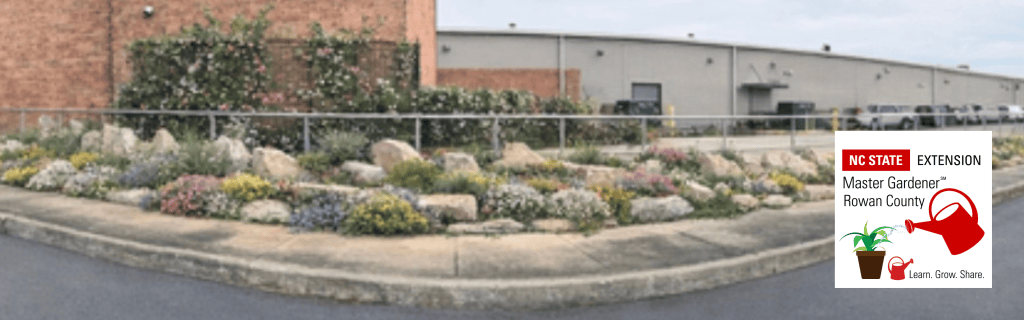
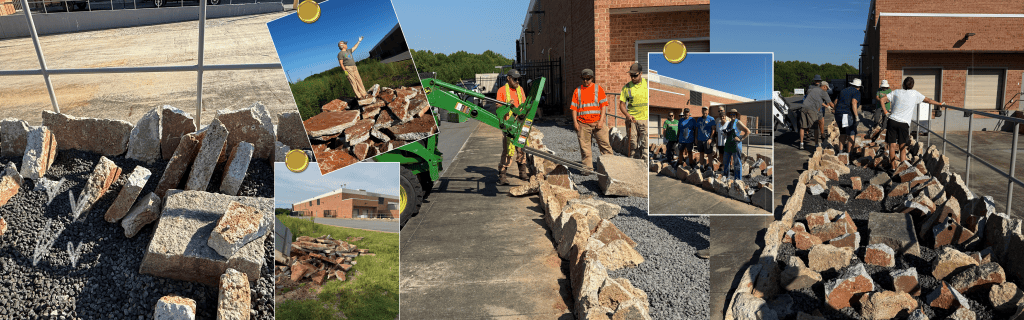
The Rowan Master Gardeners are creating a Crevice Garden along a ‘hell-strip’ at the back drive between what will be the new Healthy Living Demonstration Gardens and a loading dock.
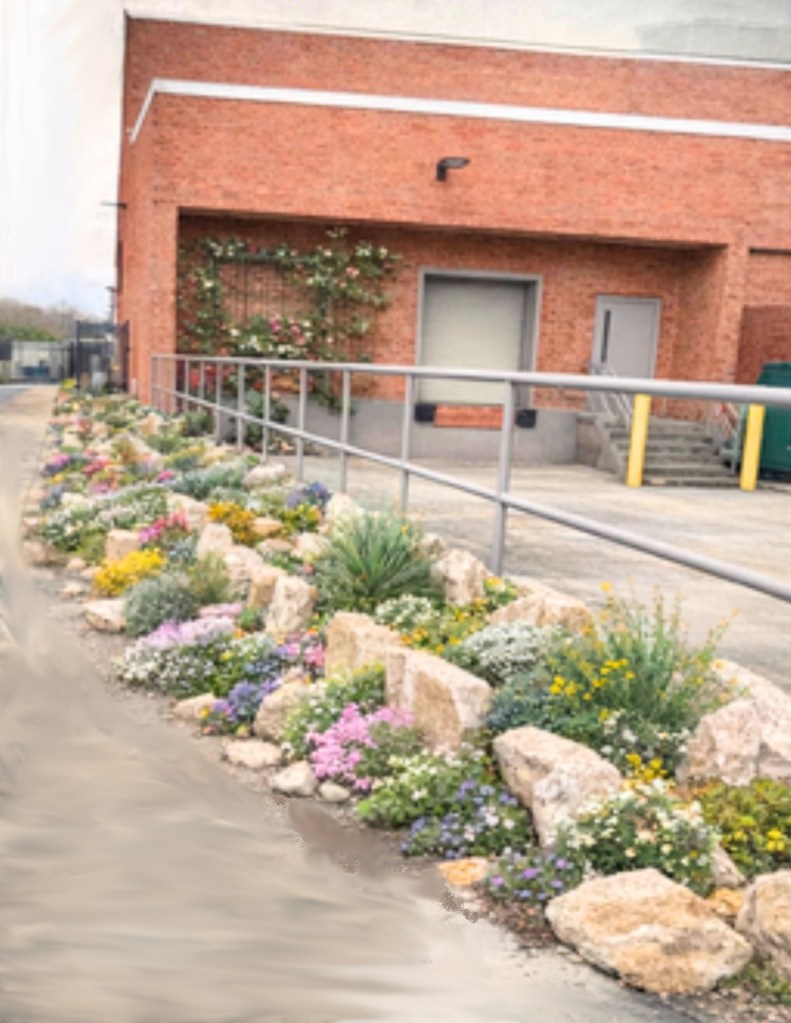
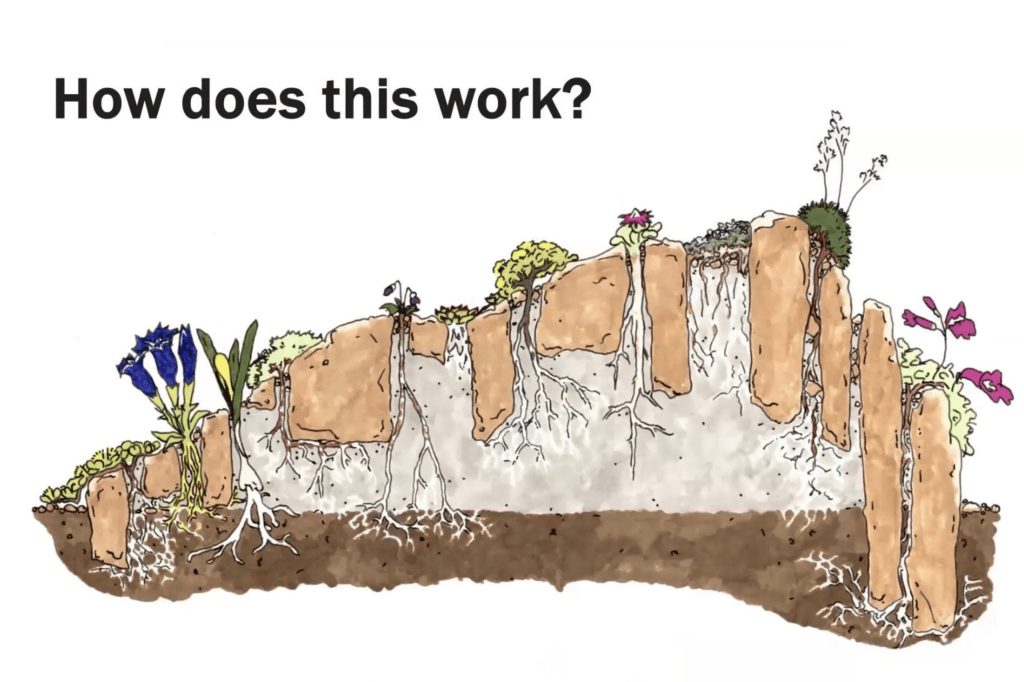
A crevice garden is a specialized style of rock garden that recreates the rugged conditions found in natural mountain cliffs and rocky outcrops. Flat stones are set vertically or at steep angles, creating deep, narrow planting spaces filled with a free-draining mineral soil. These crevices provide ideal growing conditions for many drought-tolerant, alpine, native, and specialty plants
whose roots naturally seek moisture deep below the surface while their crowns remain dry.
The purpose of this demonstration crevice garden is to educate, inspire, and encourage sustainable gardening practices within our community. Visitors will discover how thoughtful garden design can conserve water, improve drainage, reduce maintenance, and support biodiversity while creating exceptional beauty throughout the seasons.
As a living classroom, the garden will demonstrate:
• Innovative gardening techniques for challenging sites, including slopes, rocky soils, and drought-prone landscapes.
• Water-wise landscaping that reduces irrigation needs while maintaining healthy, resilient plants.
• Plant selection emphasizing species adapted to well-drained conditions, including native plants, pollinator-friendly perennials, and unusual rock garden specimens.
• The ecological value of diverse plant communities that provide nectar, pollen, shelter, and habitat for bees, butterflies, and other beneficial insects.
• Practical design principles that homeowners can adapt for gardens of any size.
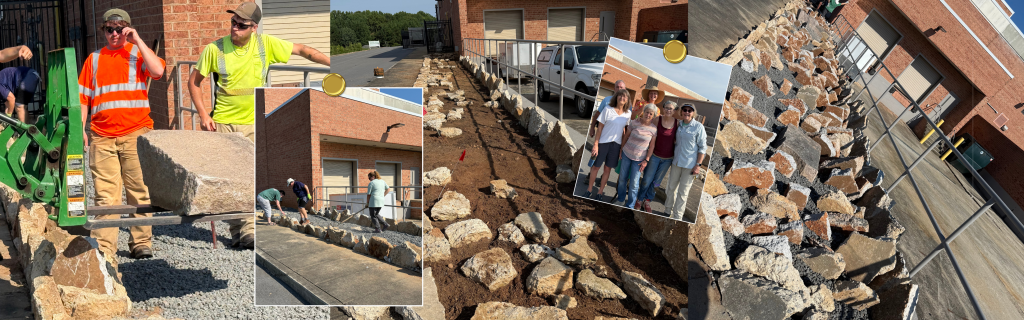
The Rowan Master Gardeners’ mission is to provide research-based horticultural education through demonstration gardens that inspire lifelong learning and environmental stewardship. This crevice garden showcases innovative, climate-resilient gardening practices that help homeowners create beautiful, sustainable landscapes while conserving natural resources.
Through seasonal programs, guided tours, workshops, and interpretive signage, this garden will serve as an enduring educational resource for gardeners of all experience levels, encouraging curiosity, experimentation, and a deeper appreciation for the remarkable diversity of plants adapted to thrive in seemingly impossible places.